
Most people who come to Willow Brook have planned to do so—some for a decade or more—and are delighted or relieved to be here. But every now and then, we come across a new Willow Brook resident for whom moving here was someone else’s idea, not their own. It is not uncommon for a doctor, an adult child or children, or a spouse to push for a move for the safety and well-being of their loved one.
Something similar occasionally happens when a Willow Brook independent resident is faced with changing care needs that warrant a move to transitional or assisted living. The resident insists they are not ready and are doing fine, even when it is clear to everyone around them that they are struggling. Or, a resident recognizes they need additional supports, but wants to hold off making a change until the last possible second. Either way, when a move is less of a desire and more of a necessity, resistance is a very real reaction, as is mourning.
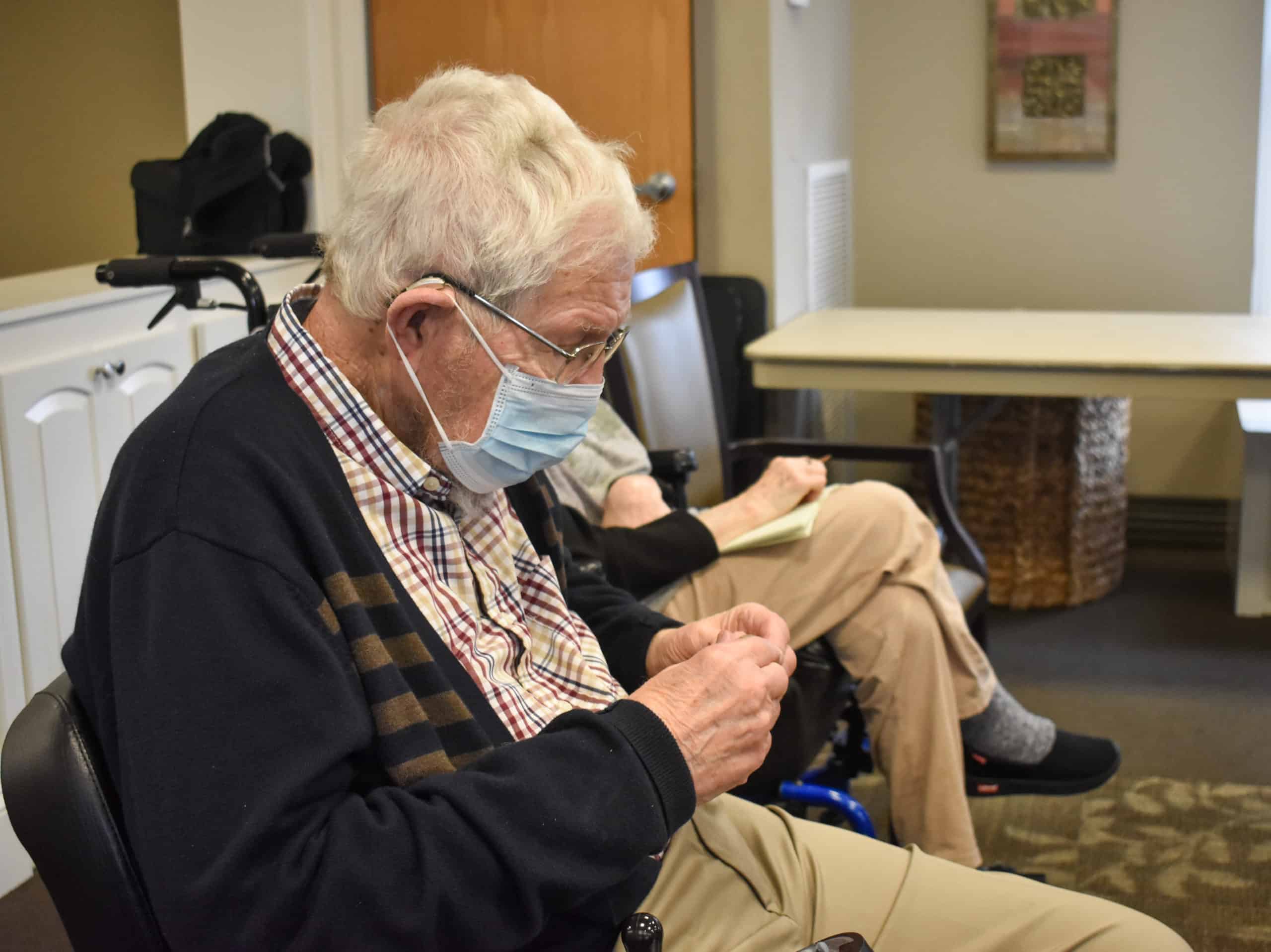
So this blog post is to acknowledge those folks who are not yet “all in,” who have reservations about change, who miss the ways things used to be, and who feel sad and angry about not having the final say. It is also to acknowledge that honesty, time, and humility can go a long way toward softening even the hardest of hearts, and the most stubborn of souls.
It is worth noting, too, the feelings on the other side of the coin. Many times there is a family member who takes on the role of persuading a loved one to downsize, to accept help, to consider home health care, or to move to a place that can help with daily tasks or socialization. This “tough love” frequently puts them on the receiving end of some hurtful and heated words, and even when it is done for all the right reasons, the guilt can be crushing. So if you play this role in your family, this post acknowledges you, too. Yours is no easy task. Despite the challenges inherent for both parties when it comes to transitions, there is often a silver lining.

For example, my friend Ella, a bright, active woman in her 90s, lived at home after her husband passed away, but found herself feeling lonely. Like many, she had always assumed she would “age in place,” in her home, but chose instead to move to a senior living community. She came to the conclusion that being in your home at the expense of loneliness—of sitting down to dinner by yourself every night, not talking to anyone, not having help when you need it, and not having the chance to be part of a community of peers—was not worth it. She’s still in that same community today, tending a garden, working on jigsaw puzzles (one of her favorite pasttimes), cuddling with her cat, and having dinner with friends. This is home now, and she is thriving.
Ella is only one example, of course, but her story illustrates that change can be very good. There is no one-size-fits-all approach to senior living—it is a unique and personal journey. Whether a move is made or other changes are made to one’s daily routine or care level, allowing time for transition is an important part of acclimating and accepting something new.
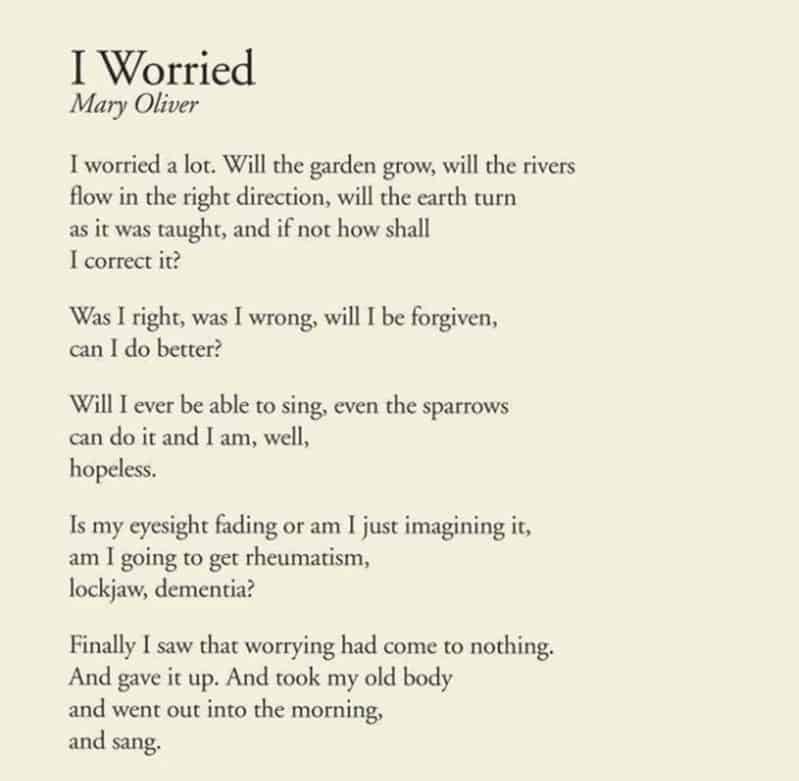
Through it all, like the poet Mary Oliver reminds us below, we can worry or we can sing. We hope you choose to sing.

Willow Brook Christian Communities
100 Delaware Crossing W.
Delaware, Ohio 43015
Phone: 740-721-3382


55 Lazelle Rd.
Columbus, Ohio 43235
Phone: 614-885-3300

100 Willow Brook Way S.
Delaware, Ohio 43015
Phone: 740-369-0048

100 Delaware Crossing W.
Delaware, Ohio 43015
Phone: 740-201-5640